

Tumescent Liposuction
As we age, we accumulate fat in areas of the body that, try as we may, simply cannot be reduced by exercise and diet. Tumescent Liposuction is a much safer procedure than other forms of liposuction and most patients are able to return to work within 2-3 days. . Dr. Hunts has trained extensively with many of the experts in the country. Most notably, Dr. Jeffery Klein, the innovator of the tumescent liposuction technique. With this technique, large volumes of a solution containing dilute lidocaine (a local anesthetic) and epinephrine are injected directly into the area where liposuction will be performed. Microcannulas are used to remove the fat, which are much less traumatic. Tylenol is usually sufficient to treat any post-operative discomfort. Patients are typically alert and able to function without nausea or grogginess and can, in most cases, return to a desk-type job within 2-3 days.
Common areas of treatment:
- Ankles and calves
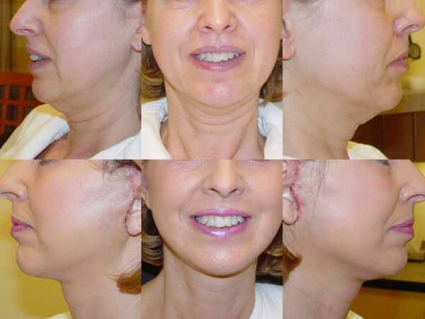
- Neck, cheeks and chin
- Inner knee
- Thighs, hips and buttocks
- Waist and abdomen
- Back and chest area
- Upper arms
Who is a good candidate for tumescent liposuction?
Patients who would be satisfied with a 50% improvement would be reasonably good candidates for liposuction. Liposuction is not intended as a method of weight loss. It is used as a sculpting procedure for those areas that are resistant to diet and exercise. Liposuction, while improving the silhouette, does not necessarily eliminate cellulite. While the procedure may reduce the degree of cellulite, it is unlikely to eliminate it. Most patients generally achieve more than a 50% improvement, but it is very important to have realistic expectation and not to expect perfection.
What are the risks?
Any surgery involves the risk of infection, bleeding, scarring or serious injury, however tumescent liposuction has an amazingly good safety record. One of the reasons that tumescent liposuction is so safe is that neither general anesthesia nor significant IV sedation is required. Patients can minimize the risk of surgical complications by not taking medications or over-the-counter drugs that might adversely affect the surgery. Patients should inform Dr. Hunts of any medications being taken either regularly, or occasionally, including herbal remidies and dietary supplements.